Onyx Engine
Onyx Robotics
Complex hardware control made simple with AI models.
My Role
Chief Product Officer (Jun 2025 - Jan 2026)
- Developed the product from a POC to MVP, resulting in a successful launch to 3 enterprise customers in a paid pilot program within 6 months
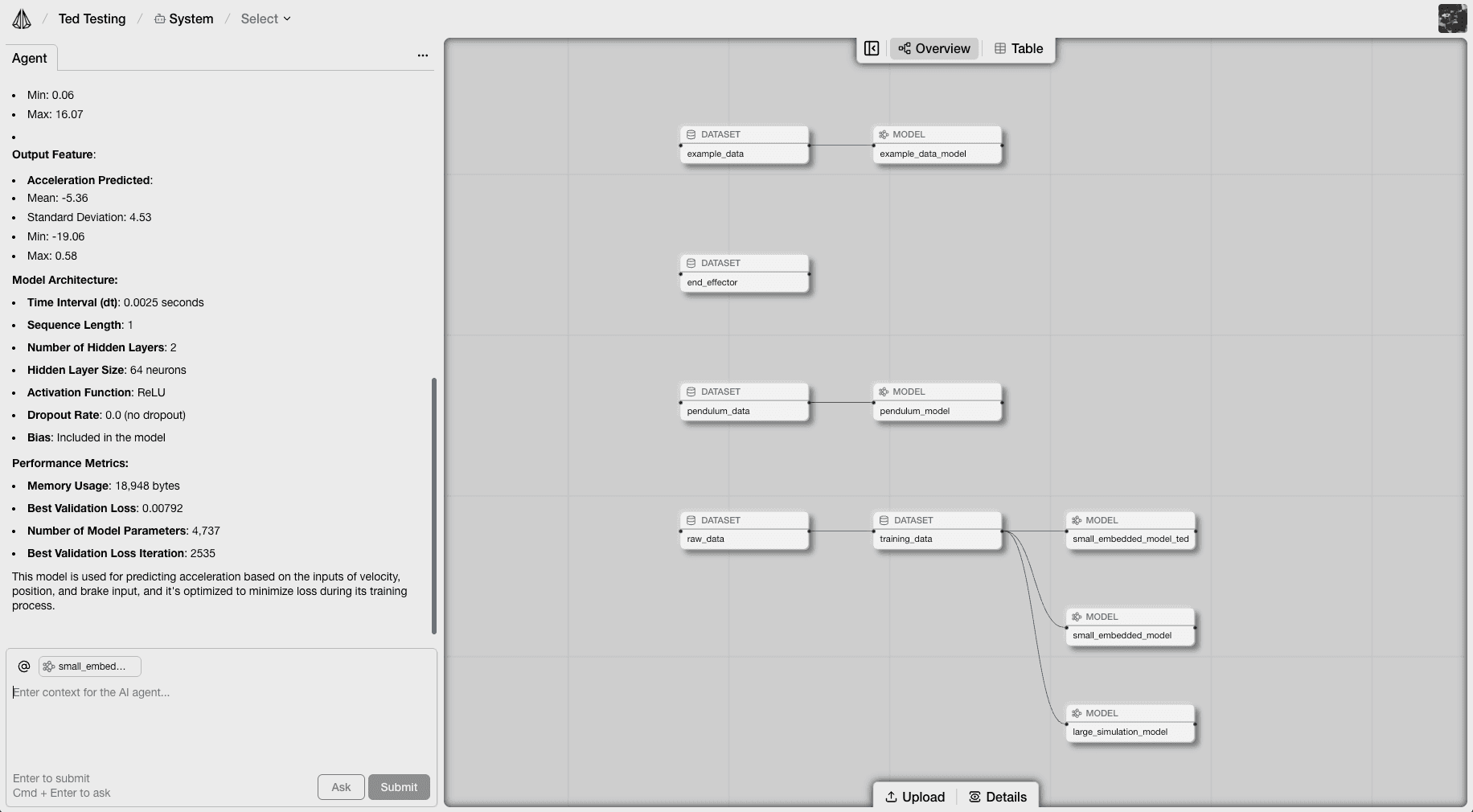
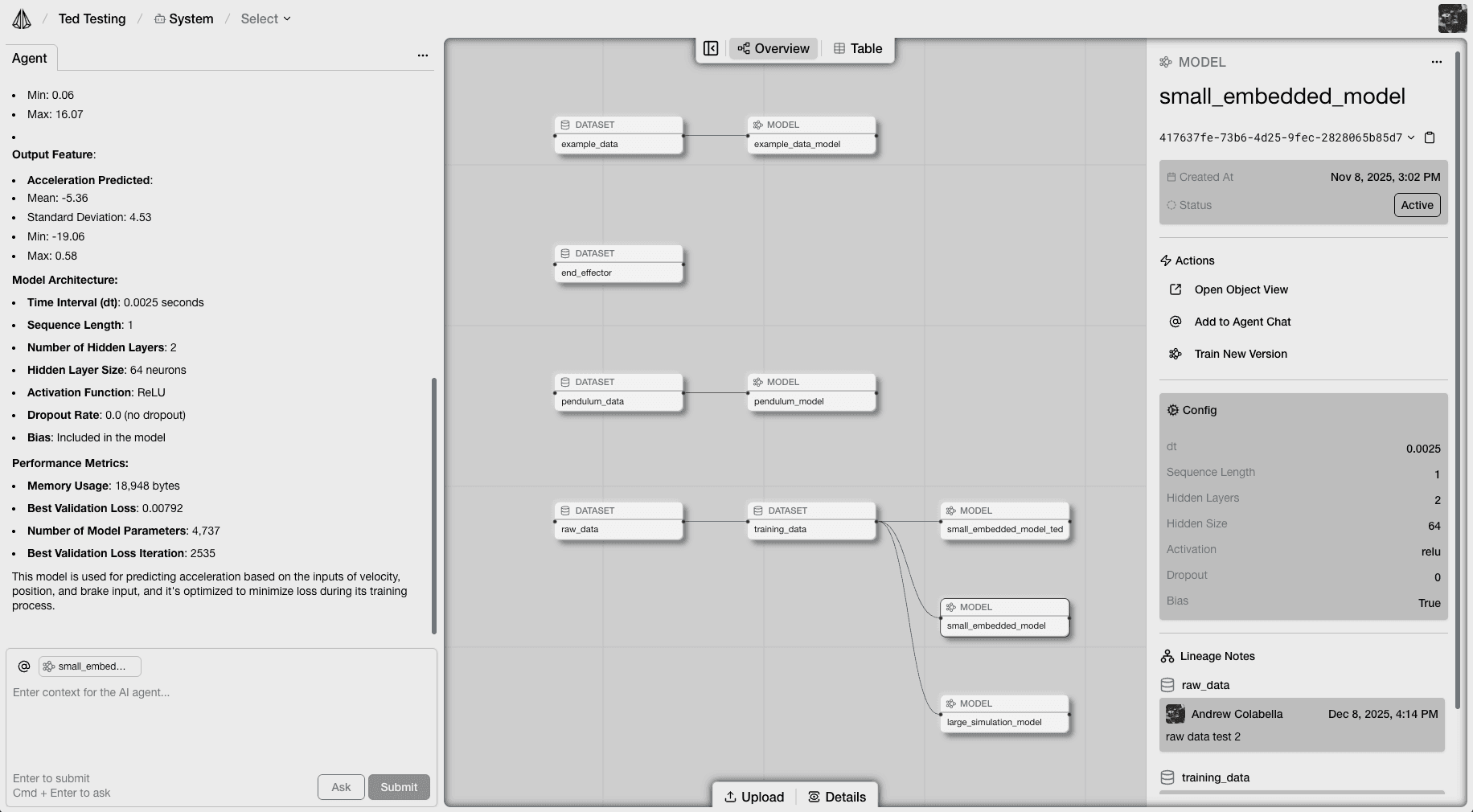
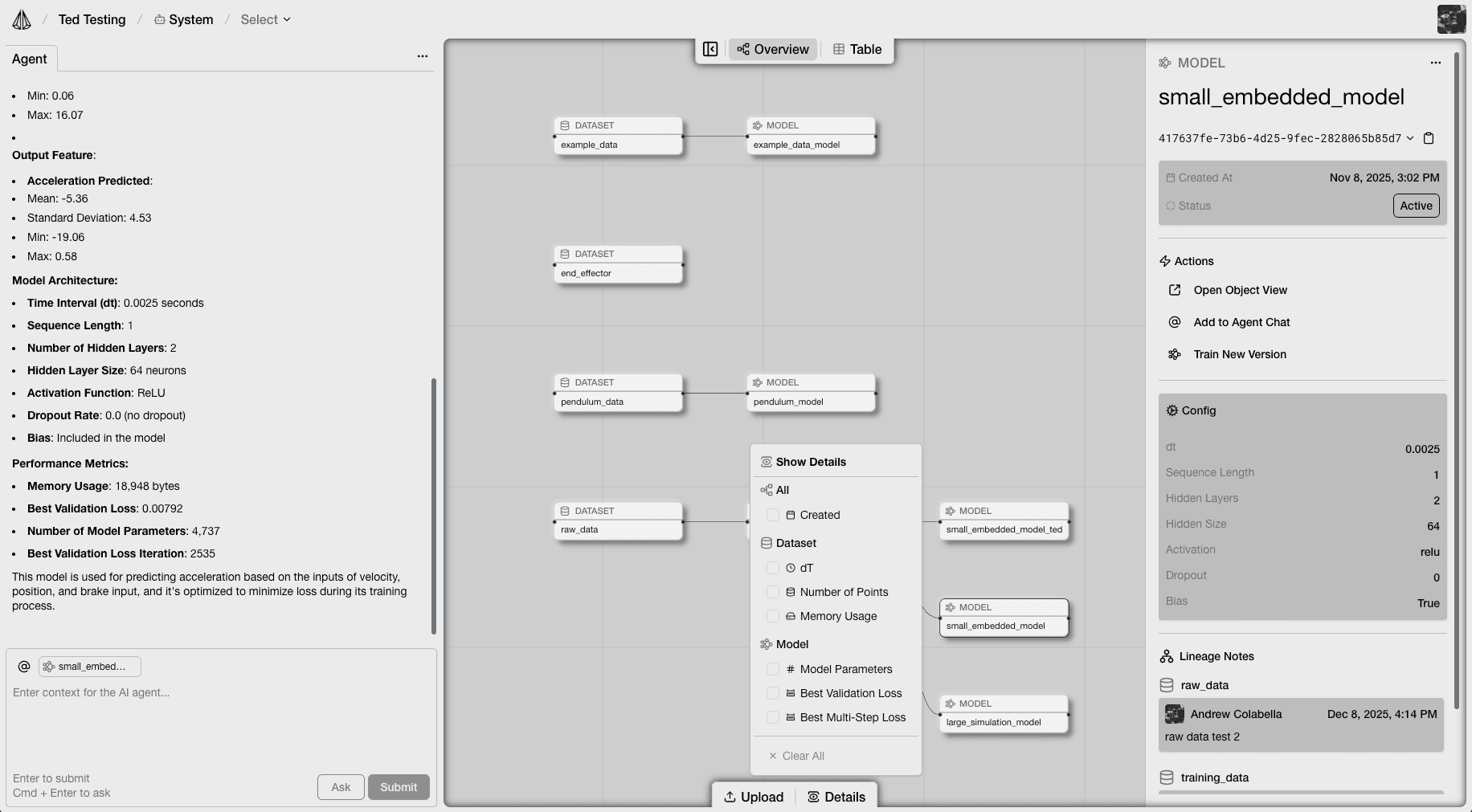
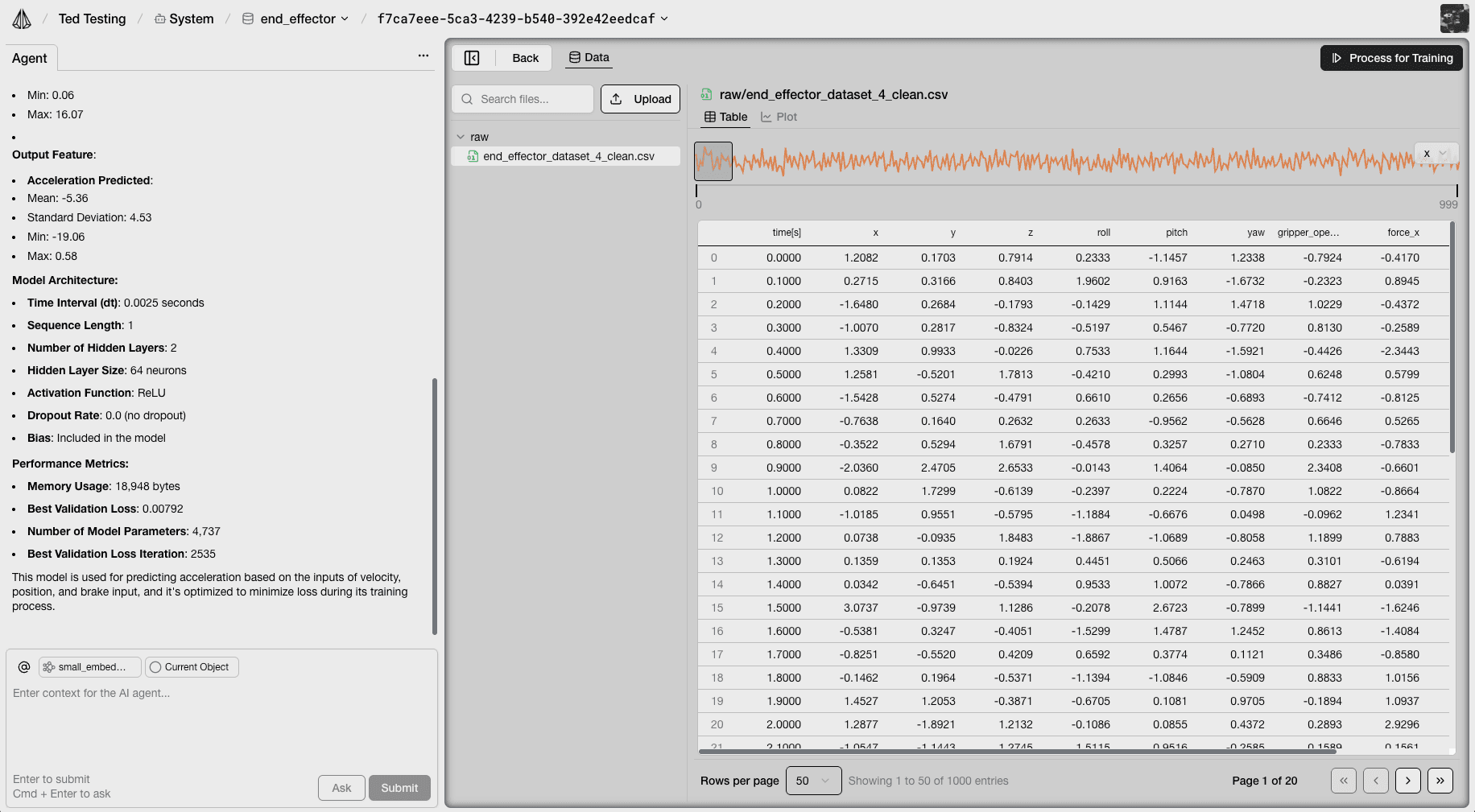
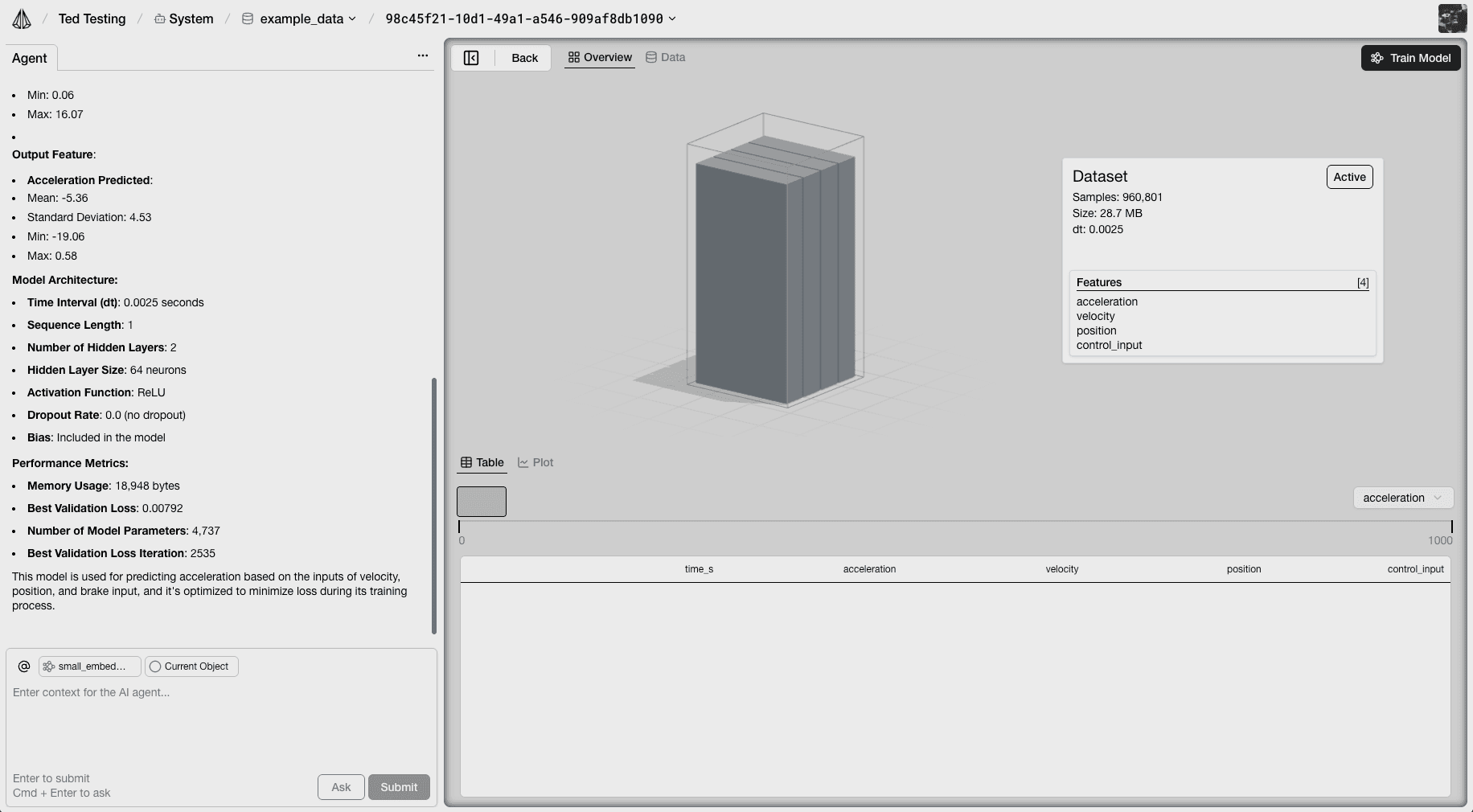
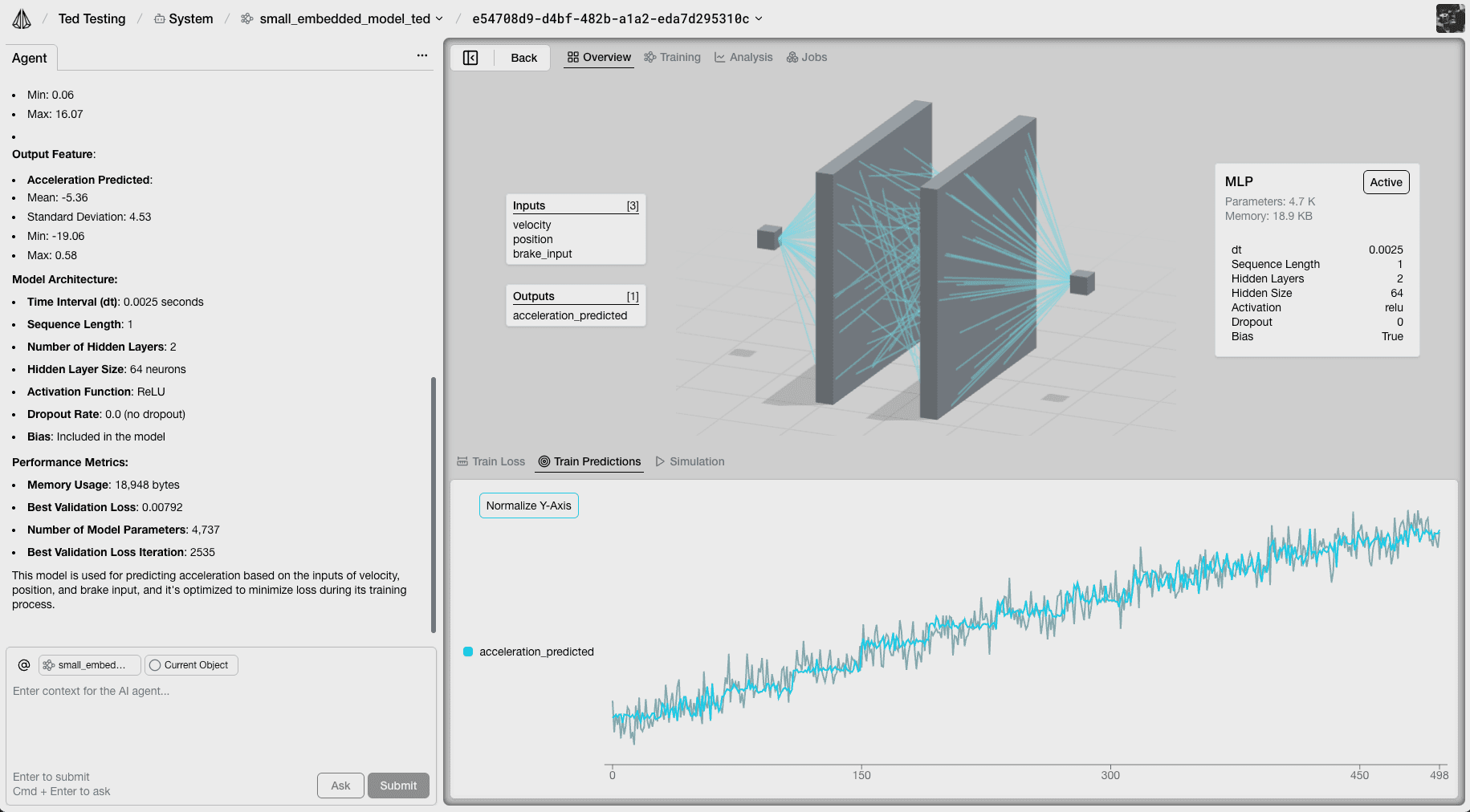
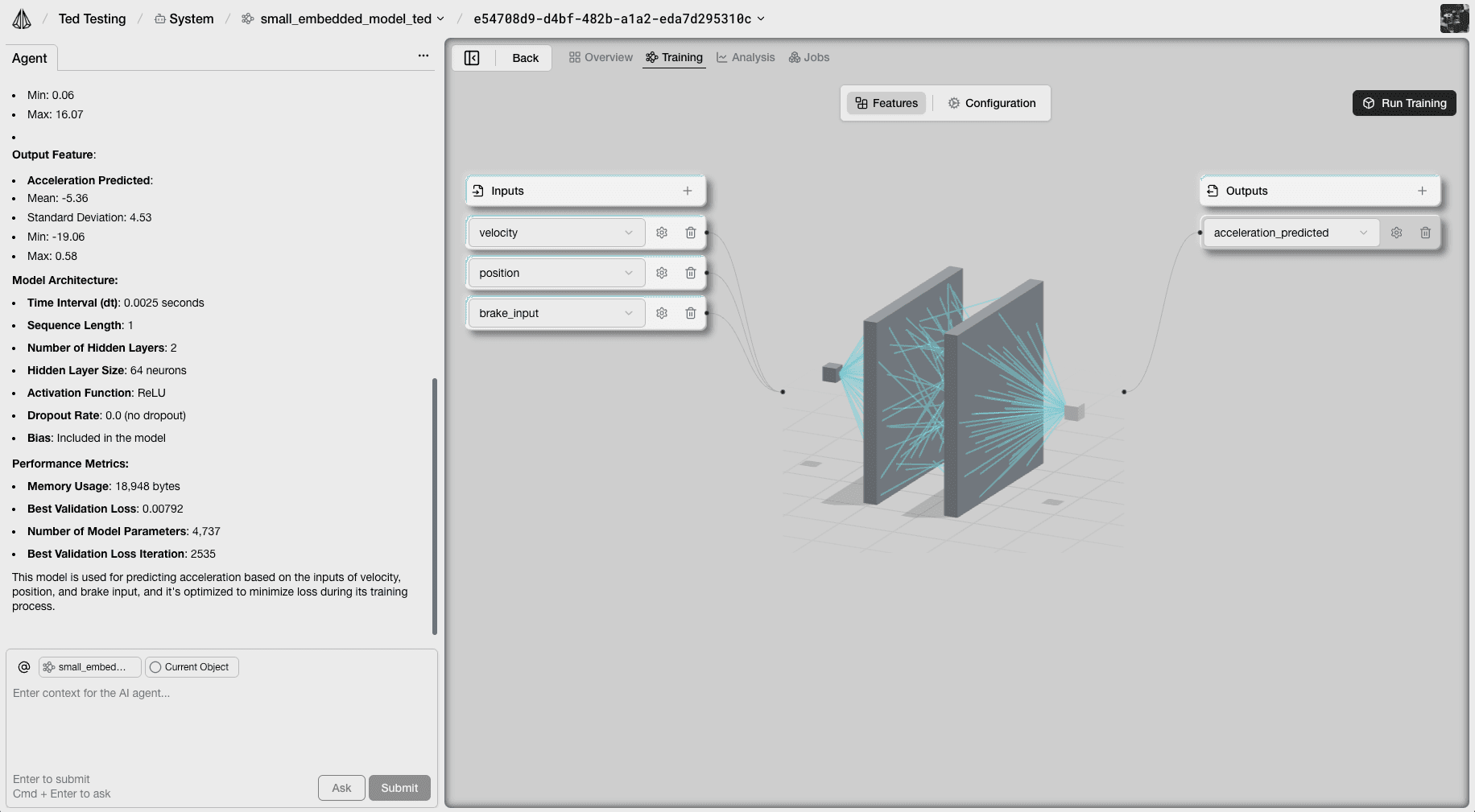
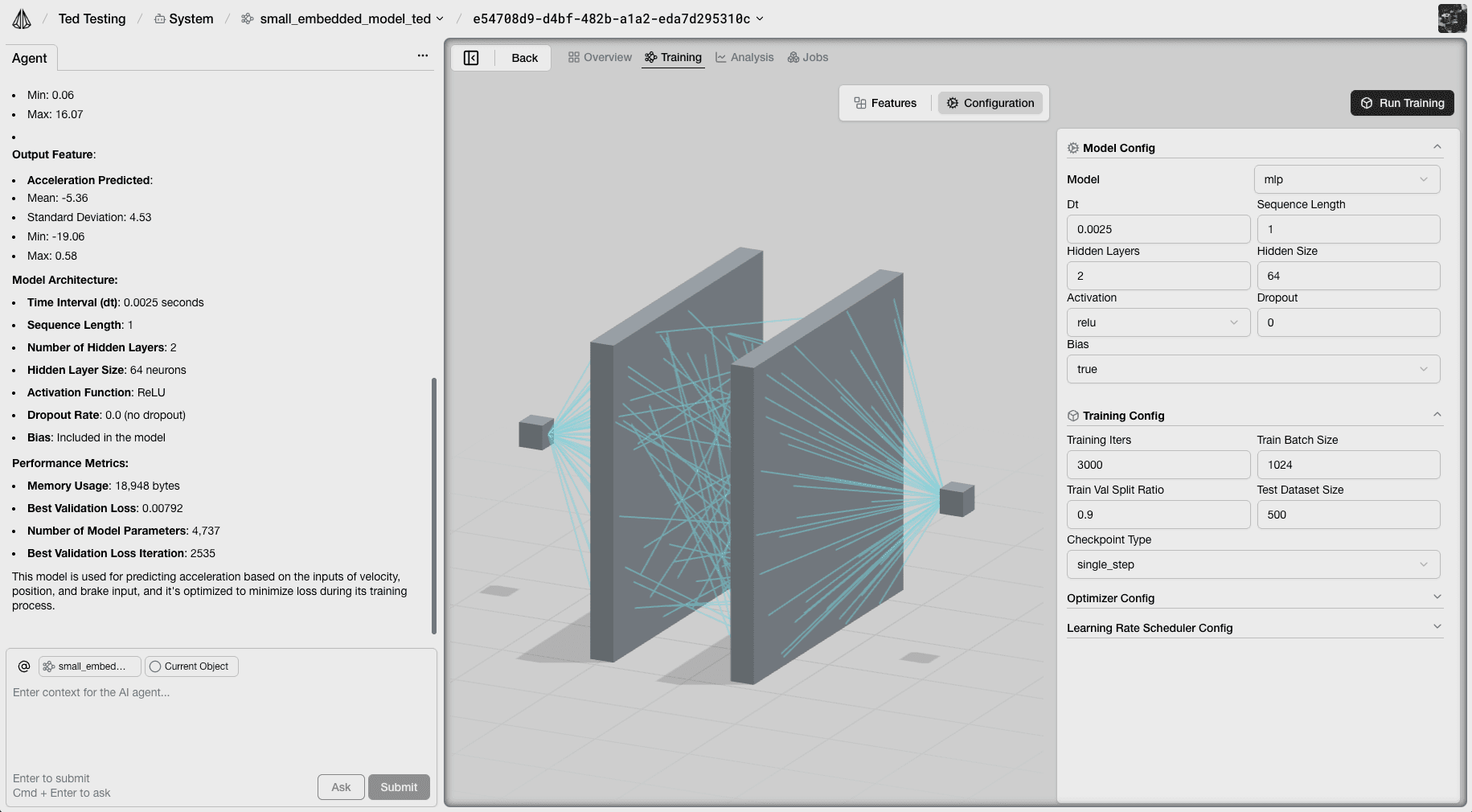
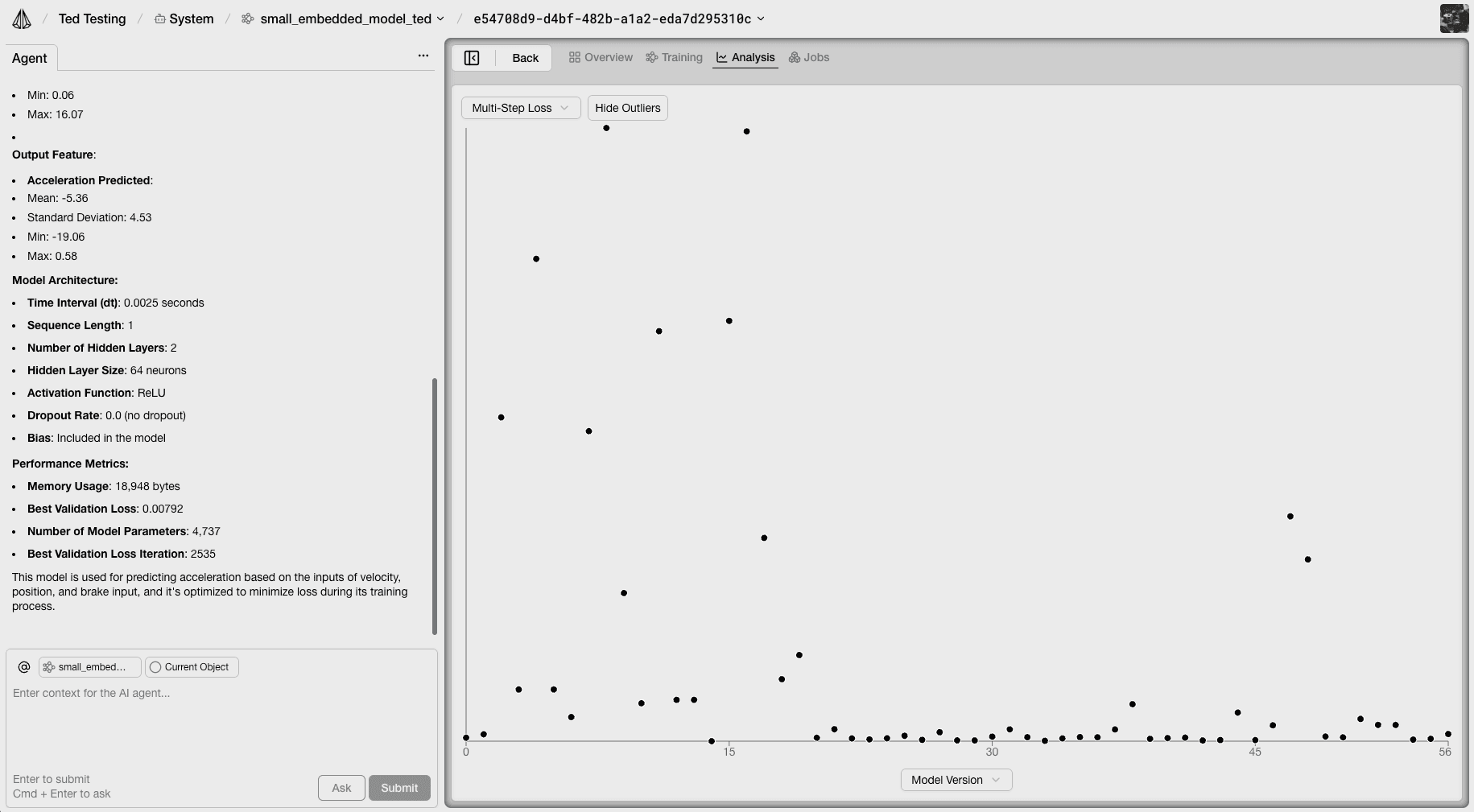
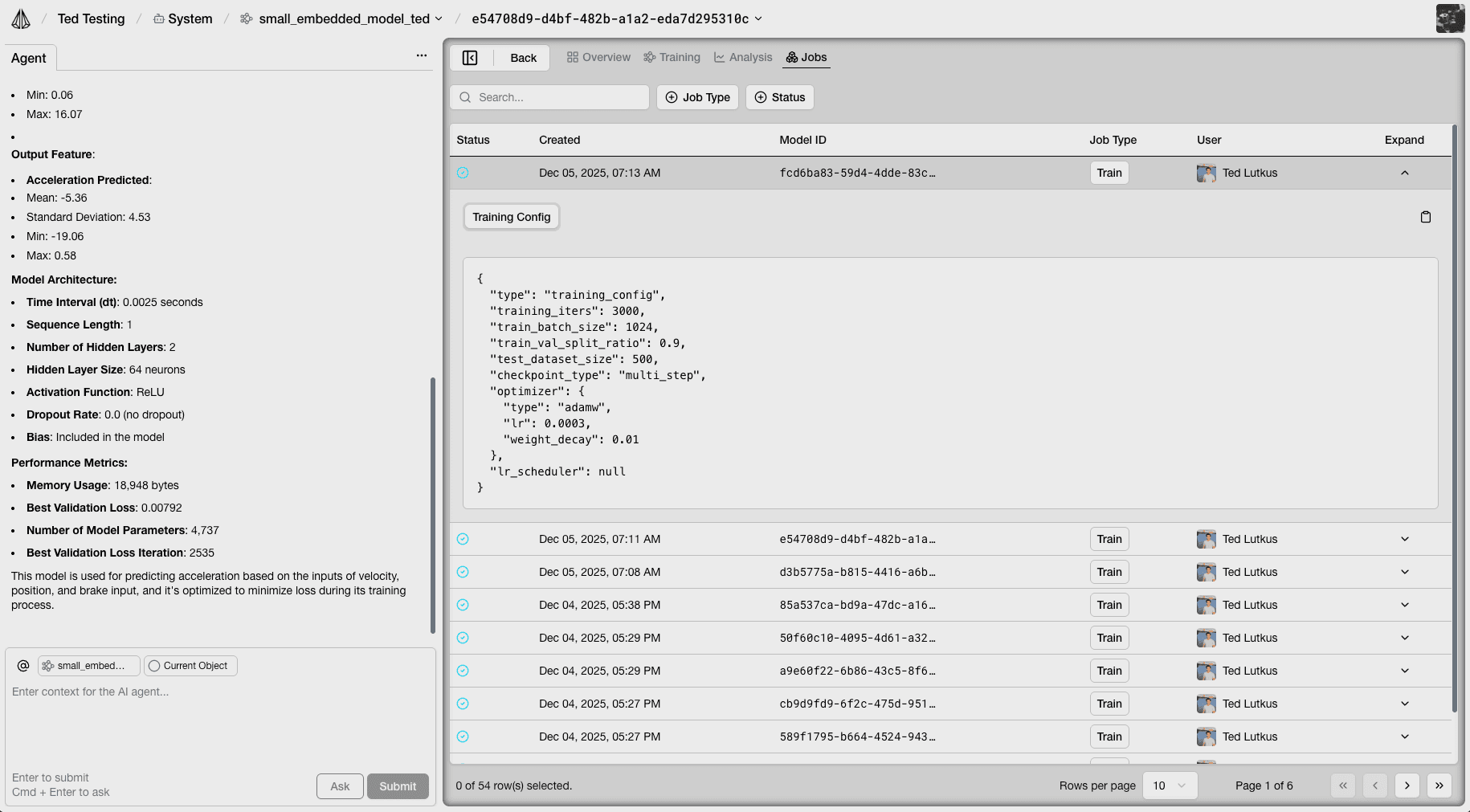
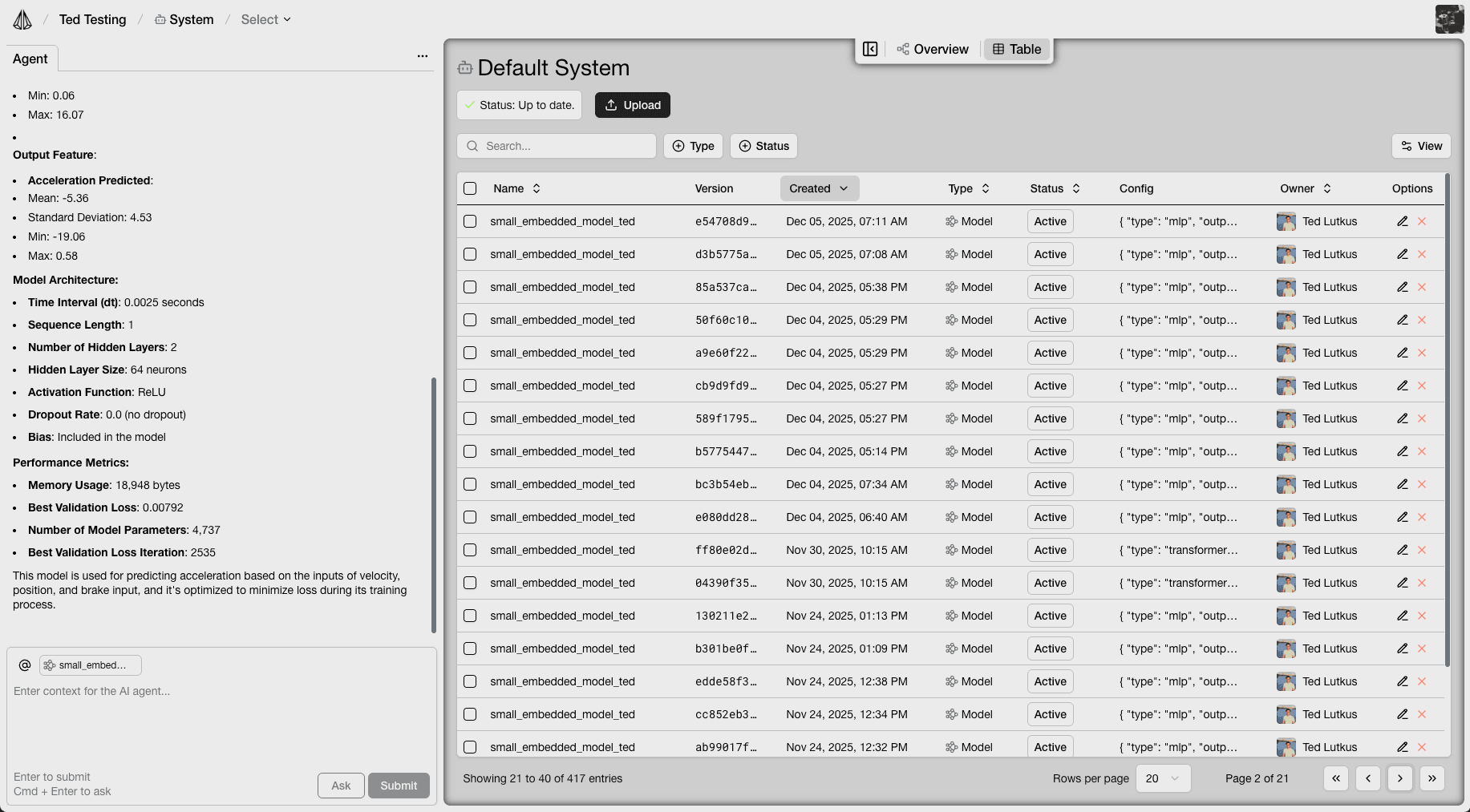
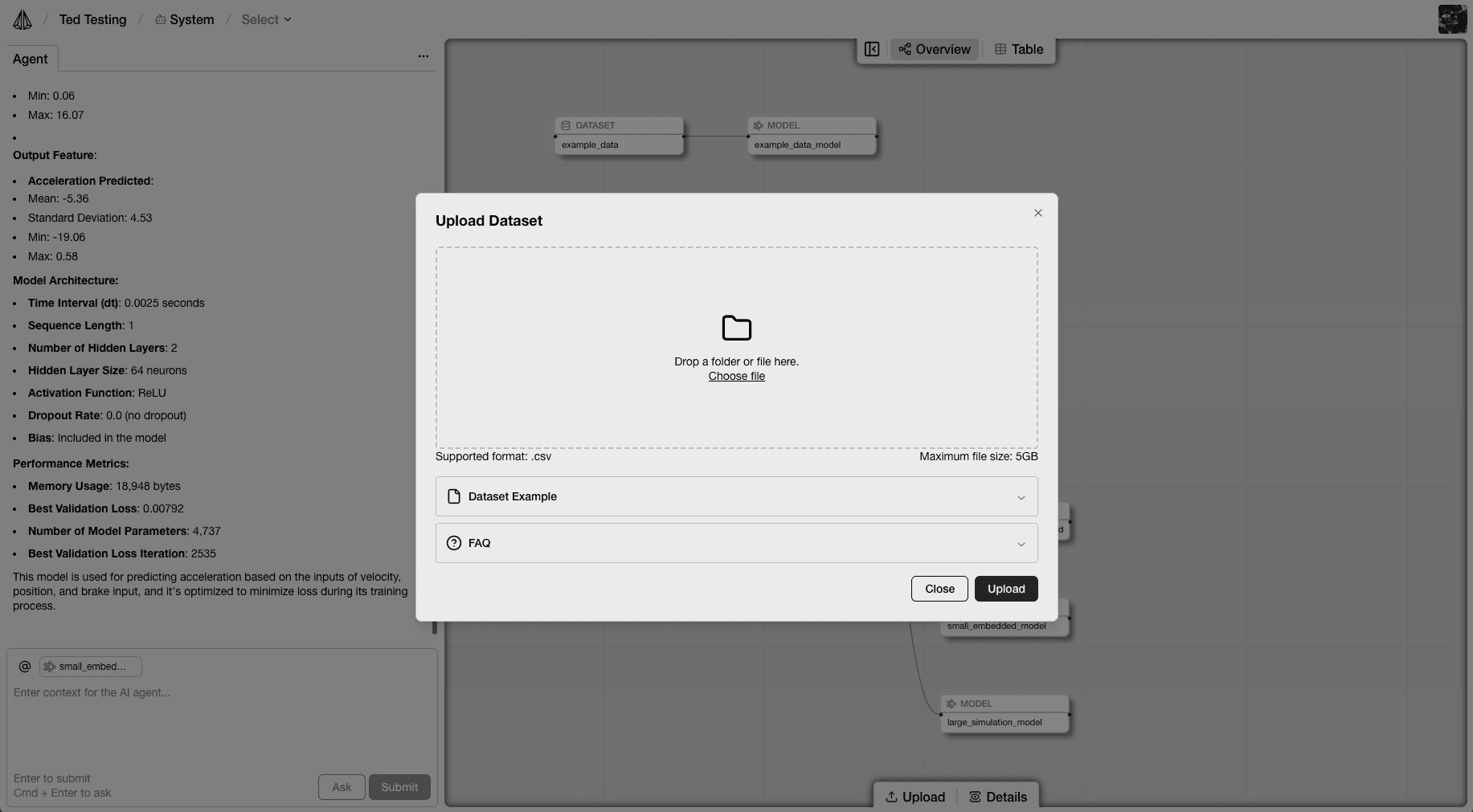
- Acted as a full stack product manager, managing the product development lifecycle, designing the UI/UX in Figma, and developing the application in React and Python
- Partnered with the CEO and COO on strategic initiatives and operations related to the company's fundraising, security framework, and end-to-end product development lifecycle
Technologies Used
Gallery
Project Details
Problem & Context
Traditional hardware control systems require months of manual tuning of intricate parameters and logic to fit specific data sets. Engineers waste significant time and resources trying to align simulation models with real-world hardware behavior, creating a barrier to efficient product development.
My Contributions
As Chief Product Officer, I developed the product from a POC to MVP, resulting in a successful launch to 3 enterprise customers in a paid pilot program within 6 months. I acted as a full stack product manager, managing the product development lifecycle, designing the UI/UX in Figma, and developing the application in React and Python. I partnered with the CEO and COO on strategic initiatives and operations related to the company's fundraising, security framework, and end-to-end product development lifecycle.
Impact & Results
Onyx Engine dramatically reduces the time required to create accurate hardware control models from months to just an hour of real-world data. This enables engineers to focus on innovation rather than parameter tuning, accelerating product development cycles and reducing time-to-market for hardware products.
Challenges & Solutions
The primary challenge was bridging the gap between complex AI/ML backend systems and an intuitive user experience. I had to design a web application that made sophisticated AI model training accessible to engineers without deep machine learning expertise. Additionally, evolving the product from POC to MVP required careful prioritization of features, balancing technical capabilities with user needs while working closely with the executive team to align product strategy with business objectives.